

Online business success doesn’t happen by accident—it’s built through strategy, clarity, and consistent execution. With the digital economy growing rapidly, more entrepreneurs are turning to online platforms to create income, build brands, and scale their ideas. However, starting an online business the right way requires more than just a website or social media account.
In this guide, you’ll learn exactly how to start an online business successfully, step by step, in a way that sets you up for long-term growth.
Step 1: Choose the Right Business Idea
Every successful online business begins with a clear and viable idea. The best ideas sit at the intersection of:
- What you’re good at
- What people need
- What people are willing to pay for
How to Find a Strong Idea
- Identify problems you can solve
- Look at trending markets or industries
- Validate demand through search trends and competitor research
Avoid choosing an idea based purely on passion—profitability and demand matter just as much.
How To Start An Online Business: A Guide To Getting Started: This guide walks through key steps like choosing a business idea, building a website, and developing a marketing strategy—core elements for launching successfully.
Step 2: Define Your Target Audience
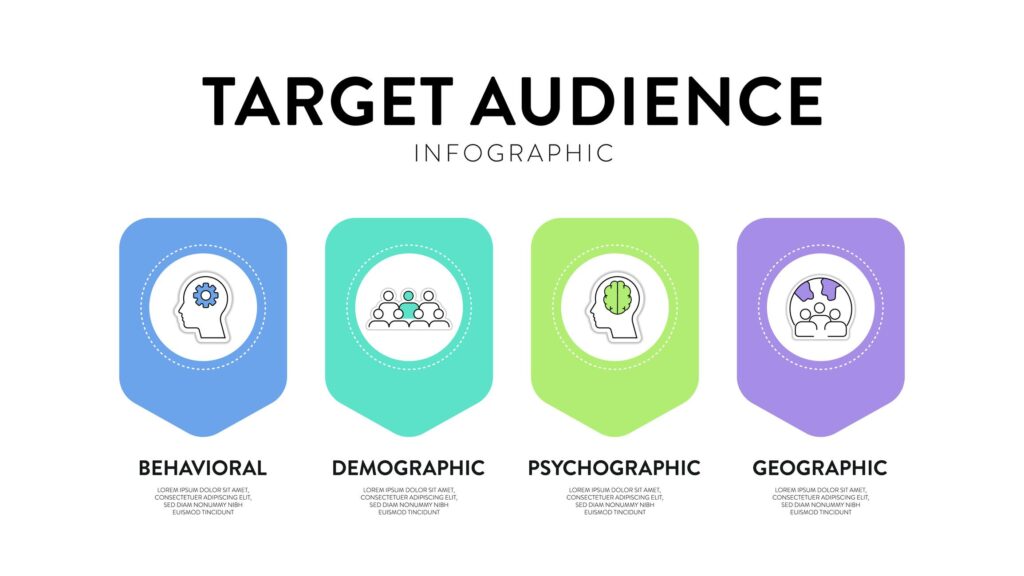
One of the biggest mistakes new entrepreneurs make is trying to appeal to everyone. A focused audience leads to stronger messaging and higher conversions.
Ask Yourself:
- Who is my ideal customer?
- What are their pain points?
- What solutions are they actively searching for?
The more specific you are, the easier it becomes to create content and offers that resonate.
Step 3: Build a Strong Foundation
To create a successful online business, you need the right structure in place from the beginning.
Key Elements:
- Business name and branding
- Domain name and website
- Clear value proposition
- Basic legal setup (if applicable)
Your website should act as your central hub—where visitors learn about your offer and take action.
Step 4: Create a High-Converting Website
Your website is often the first impression people have of your business. It should be designed to guide visitors and convert them into customers.
Must-Have Features:
- Clear headline and messaging
- Easy navigation
- Strong call-to-actions
- Fast loading speed
- Mobile-friendly design
A well-structured website can turn casual visitors into paying clients.
Step 5: Develop a Marketing Strategy
Even the best online business will struggle without visibility. Marketing is what brings people to your offer.
Effective Channels:
- Search Engine Optimization (SEO)
- Social media marketing
- Email marketing
- Paid advertising
Start with one or two channels, master them, and expand over time.
Step 6: Focus on SEO from the Start
online business, start online business, online business tips, how to start an online business, online entrepreneurship, build an online business, online business strategy, digital business growth
SEO is one of the most powerful long-term growth strategies for any online business. It helps your website rank on search engines and attract organic traffic.
Basic SEO Tips:
- Use relevant keywords naturally
- Optimize page titles and meta descriptions
- Create valuable, helpful content
- Improve site speed and mobile usability
SEO takes time, but it builds sustainable traffic that doesn’t rely on ads.
Step 7: Create a Clear Offer
Your offer is what turns visitors into customers. Without a strong offer, even high traffic won’t lead to sales.
A Good Offer Should:
- Solve a specific problem
- Be easy to understand
- Clearly communicate value
- Include a compelling call-to-action
Examples include services, digital products, courses, or physical goods.
How to Start an E-commerce Business: A 2026 Guide: A comprehensive, up-to-date resource covering niche research, business planning, and building an online storefront with global reach potential.
Step 8: Build Trust and Credibility
People buy from businesses they trust. If your online presence lacks credibility, conversions will suffer.
Ways to Build Trust:
- Add testimonials or reviews
- Showcase results or case studies
- Use professional branding and visuals
- Provide clear contact information
Trust reduces hesitation and increases sales.
Step 9: Set Up Systems and Automation

As your online business grows, manual work can slow you down. Systems and automation help you scale efficiently.
Examples:
- Email sequences for leads and customers
- Automated booking systems
- Payment processing tools
- CRM platforms
Automation allows you to focus on growth instead of repetitive tasks.
Step 10: Track, Analyze, and Improve
Successful entrepreneurs continuously improve their strategies based on data.
Key Metrics to Monitor:
- Website traffic
- Conversion rates
- Bounce rates
- Customer acquisition cost
Use tools like analytics dashboards to understand what’s working—and what needs improvement.
Common Mistakes to Avoid
While building your online business, watch out for these common pitfalls:
- Overcomplicating your website
- Ignoring SEO
- Targeting too broad an audience
- Lacking clear messaging
- Not having a defined offer
Avoiding these mistakes will save time, money, and frustration.
Conclusion
Starting an online business successfully requires more than just an idea—it requires strategy, consistency, and a willingness to adapt. By following these steps, you can build a strong foundation that supports long-term growth and profitability.
Remember, success doesn’t happen overnight. But with the right approach, your online business can become a powerful and scalable asset.
Ready to launch or grow your online business? Let us help you build a high-converting website and strategy designed for real results.
Explore our blog for more insights and helpful information.
Click here to learn more about our Business Development Consulting services.
Have questions or feedback? Visit our Contact page (click here) — we’d love to hear from you.