
AI is transforming social media marketing faster than ever in 2026, helping brands create smarter campaigns, personalize customer experiences, and improve engagement across every platform. From automated content creation to predictive analytics, businesses are using AI to stay competitive in a crowded digital landscape.
Social media marketing has evolved dramatically over the last few years. What once relied heavily on manual scheduling and basic analytics is now powered by intelligent systems capable of understanding audience behavior, generating creative content, and optimizing campaigns in real time. Brands that embrace AI are discovering new ways to increase visibility, drive conversions, and build stronger customer relationships.
AI-Powered Content Creation Is Changing the Game
One of the biggest shifts in 2026 is the rise of AI-powered content creation. Marketers no longer need to spend countless hours brainstorming captions, writing ad copy, or designing visuals from scratch. Advanced AI tools can generate platform-specific content tailored to audience preferences within seconds. Whether it’s a short-form TikTok caption, a LinkedIn article, or an Instagram carousel idea, AI helps marketers maintain consistency while saving valuable time.
Personalized Marketing Through AI
Personalization has also reached a new level thanks to AI. Social platforms now collect enormous amounts of user data, and AI systems analyze this information to deliver highly targeted content. Instead of showing the same message to every follower, brands can create customized experiences based on browsing behavior, purchase history, interests, and engagement patterns. Consumers increasingly expect personalized interactions, and AI allows marketers to meet those expectations efficiently.
According to HubSpot’s latest marketing insights, businesses using AI-driven personalization strategies are seeing significantly higher engagement and conversion rates. This demonstrates how intelligent automation is no longer optional but essential for modern marketing success.
How AI Improves Social Listening
Another area where AI is making a major impact is social listening. Brands can now monitor millions of online conversations in real time to identify trends, track customer sentiment, and respond quickly to emerging issues. AI-powered tools analyze keywords, hashtags, comments, and mentions across multiple platforms, giving marketers deeper insights into audience opinions.
For example, if a product launch receives negative feedback, AI systems can instantly detect sentiment changes and alert marketing teams before the issue escalates. On the other hand, positive trends can be amplified quickly through targeted campaigns and influencer collaborations. This ability to react in real time gives brands a major competitive advantage.
Smarter Influencer Marketing With AI

Influencer marketing is also becoming smarter with AI integration. In the past, brands often selected influencers based mainly on follower counts. Today, AI evaluates engagement quality, audience authenticity, demographics, and campaign performance predictions. This helps companies partner with creators who genuinely align with their brand values and target audience.
AI-driven influencer analysis reduces the risk of investing in fake followers or low-performing partnerships. Brands can now identify micro-influencers with highly engaged communities that deliver better returns than celebrity accounts with millions of passive followers. As social commerce continues to expand in 2026, these data-driven influencer strategies are becoming increasingly valuable.
AI Optimization in Social Media Advertising
Advertising on social media platforms has also become more efficient through AI optimization. Paid campaigns now rely heavily on machine learning algorithms to determine the best audience segments, bidding strategies, ad placements, and posting times. AI continuously tests different creative variations and automatically adjusts campaigns based on performance metrics.
This means marketers can achieve better results while reducing wasted advertising spend. Instead of manually analyzing campaign reports for hours, AI systems provide actionable recommendations instantly. Businesses of all sizes, from startups to global corporations, benefit from these automated optimizations.
AI Chatbots and Customer Engagement
Customer service on social media has improved significantly due to AI-powered chatbots and virtual assistants. Consumers expect fast responses when contacting brands through Instagram, Facebook, X, or TikTok. AI chatbots can answer common questions, process orders, provide recommendations, and resolve issues 24/7 without human intervention.
Modern AI chatbots are more conversational and context-aware than earlier versions. They can understand customer intent, detect emotions, and escalate complex issues to human agents when necessary. This creates a smoother customer experience while reducing operational costs for businesses.
The Growing Role of AI in Video Marketing
Video marketing is another area being reshaped by AI in 2026. Short-form video content dominates social platforms, and AI tools now assist with scriptwriting, editing, subtitles, voiceovers, and performance optimization. Brands can produce high-quality videos faster and more affordably than ever before.
AI can even analyze audience retention data to determine which parts of a video are most engaging. Marketers use these insights to improve future content and maximize watch time. As attention spans continue to shrink, AI-driven video optimization is becoming essential for success on platforms like TikTok, YouTube Shorts, and Instagram Reels.
Predictive Analytics and Smarter Campaign Planning
Predictive analytics powered by AI is changing how marketers plan campaigns. Instead of relying only on historical performance, AI systems forecast future trends and consumer behaviors. Businesses can anticipate which products will become popular, which content formats will perform best, and when audiences are most likely to engage.
This predictive capability helps brands make smarter strategic decisions and stay ahead of competitors. In fast-moving digital environments, having access to accurate forecasts can significantly improve campaign effectiveness and return on investment.
Challenges of Using AI in Social Media Marketing

Despite its many benefits, AI in social media marketing also presents challenges. Privacy concerns remain a major issue as consumers become more aware of how their data is collected and used. Governments worldwide are introducing stricter regulations regarding data protection and AI transparency.
Brands must balance personalization with ethical marketing practices. Transparency about AI-generated content and responsible data usage will become increasingly important for maintaining customer trust. Companies that misuse AI or rely too heavily on automation risk damaging their reputation.
Another challenge is maintaining authenticity. While AI can generate content quickly, audiences still value genuine human connection. Brands that rely entirely on automated messaging may appear robotic or disconnected. Successful marketers in 2026 understand that AI should enhance creativity rather than replace it completely.
Balancing AI and Human Creativity
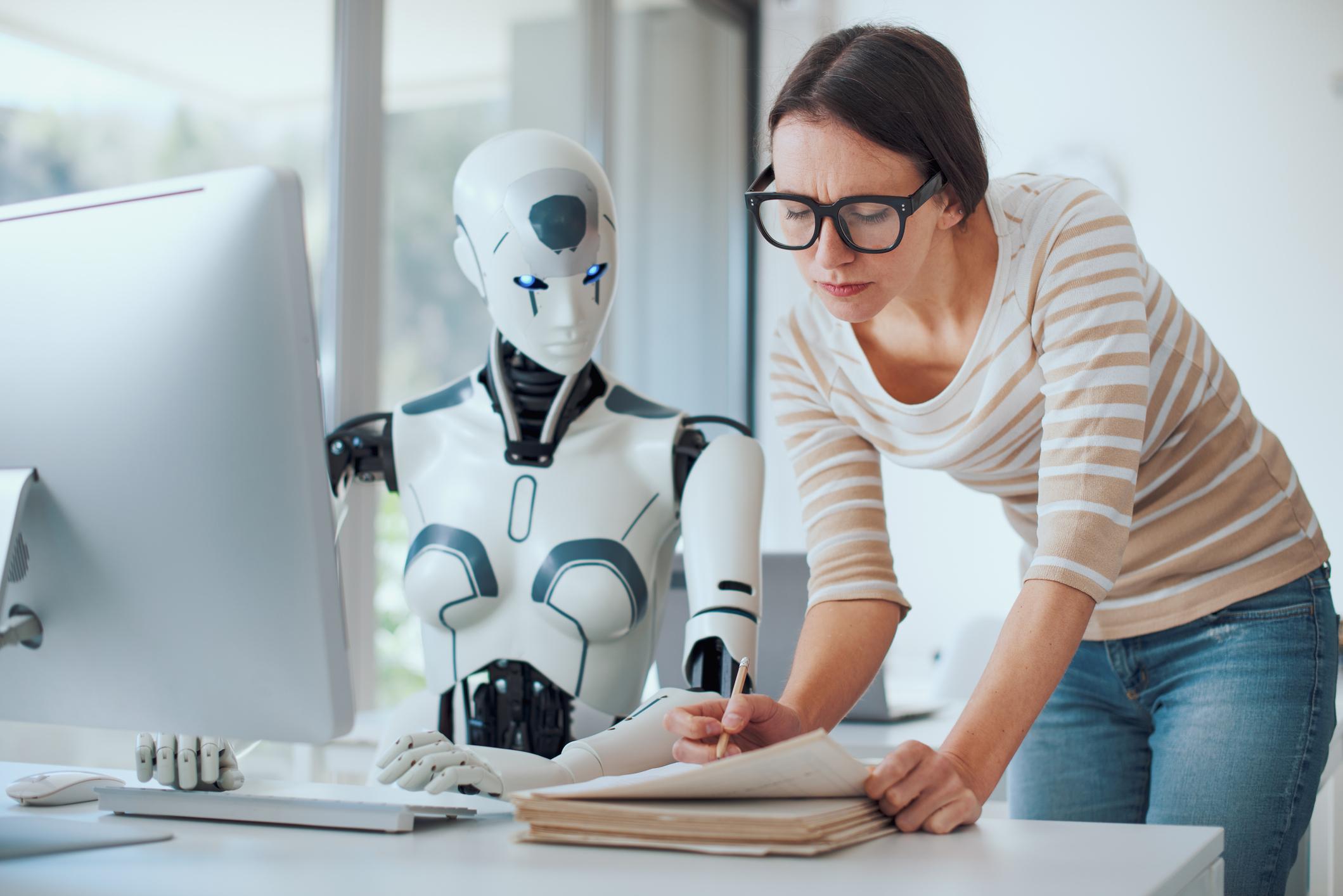
The most effective social media strategies combine AI efficiency with human storytelling. AI can handle repetitive tasks and data analysis, allowing marketers to focus more on creativity, relationship-building, and brand identity. This collaboration between human insight and machine intelligence is shaping the future of digital marketing.
Small businesses are also benefiting from AI advancements. Tools that were once available only to large corporations are now affordable and accessible to smaller brands. Entrepreneurs can use AI for content scheduling, audience targeting, customer support, and analytics without needing massive marketing teams.
The Future of AI in Social Media Marketing
As AI technology continues to evolve, social media platforms themselves are becoming more intelligent. Algorithms increasingly prioritize relevant, engaging, and personalized content. Marketers who understand how AI-driven platform algorithms work can improve visibility and reach more effectively.
Looking ahead, the role of AI in social media marketing will likely expand even further. Emerging technologies such as generative AI, augmented reality, and virtual influencers are already influencing online engagement. Brands that adapt early will be better positioned to capture audience attention and drive long-term growth.
Conclusion
In 2026, AI is no longer just a marketing trend. It has become a core component of successful social media strategies. Businesses that embrace intelligent automation, data-driven insights, and personalized experiences are seeing stronger engagement, improved customer satisfaction, and higher returns on investment.
The future of social media marketing belongs to brands that can combine technology with authenticity. AI offers powerful tools to improve efficiency and performance, but human creativity remains essential for building meaningful connections. Companies that strike this balance will thrive in the rapidly evolving digital landscape.
Ready to accelerate your business growth with a proven strategy? Our Full Blueprint Package helps entrepreneurs build, structure, and scale with confidence. Get expert guidance and create a roadmap for long-term success today.
Explore our blog for more insights and helpful information.
Click here to learn more about our Business Development Consulting services.
Have questions or feedback? Visit our Contact page (click here) — we’d love to hear from you.