
Monetize your business effectively in today’s digital economy by implementing a structured online strategy that converts visibility into consistent revenue. While many entrepreneurs invest time in creating content and building an online presence, they often struggle to translate that attention into measurable income. Without a clear digital monetization framework, marketing efforts can become scattered and results unpredictable.
The good news is that online monetization does not require guesswork. With the right systems, strategy, and validation process, entrepreneurs can build scalable revenue streams that support long-term growth. This guide outlines a proven framework to monetize your business online in a sustainable and profitable way.
Step 1: Define a Profitable Core Offer
The foundation of any successful online monetization strategy begins with clarity around your core revenue driver. Your business must have a clear primary offer that solves a specific problem for a defined audience. Common monetizable offers include:
- Consulting services
- Coaching programs
- Digital products
- Online courses
- Membership platforms
- Service-based packages
The key is problem–solution alignment. Your offer should address a clear need that your audience actively wants to solve.
One common mistake entrepreneurs make is launching multiple unclear offers simultaneously. While diversification can be powerful later, lack of focus early on often leads to confusion in both messaging and marketing.
Instead, concentrate your efforts on one well-defined offer that delivers clear value. A focused offer increases positioning authority, simplifies marketing, and improves conversion rates.
When you clearly define your core offer, it becomes significantly easier to monetize your business through targeted digital strategies.
Step 2: Validate Market Demand
Before investing significant time or money into marketing campaigns, validating demand is essential. Many businesses fail not because their idea is bad, but because it was never validated with real customers.
Market validation helps ensure that your offer solves a real and profitable problem. Effective validation methods include:
- Conducting market research
- Performing competitor analysis
- Running audience surveys
- Testing pilot launches
- Offering beta programs
For example, a beta offer allows entrepreneurs to test their solution with a small group before a full-scale launch. This feedback can reveal improvements, pricing insights, and messaging adjustments.
Validation dramatically reduces risk and increases confidence during launch phases.
The most successful online businesses are built around verified demand, not assumptions.
Step 3: Build a Strategic Sales Funnel
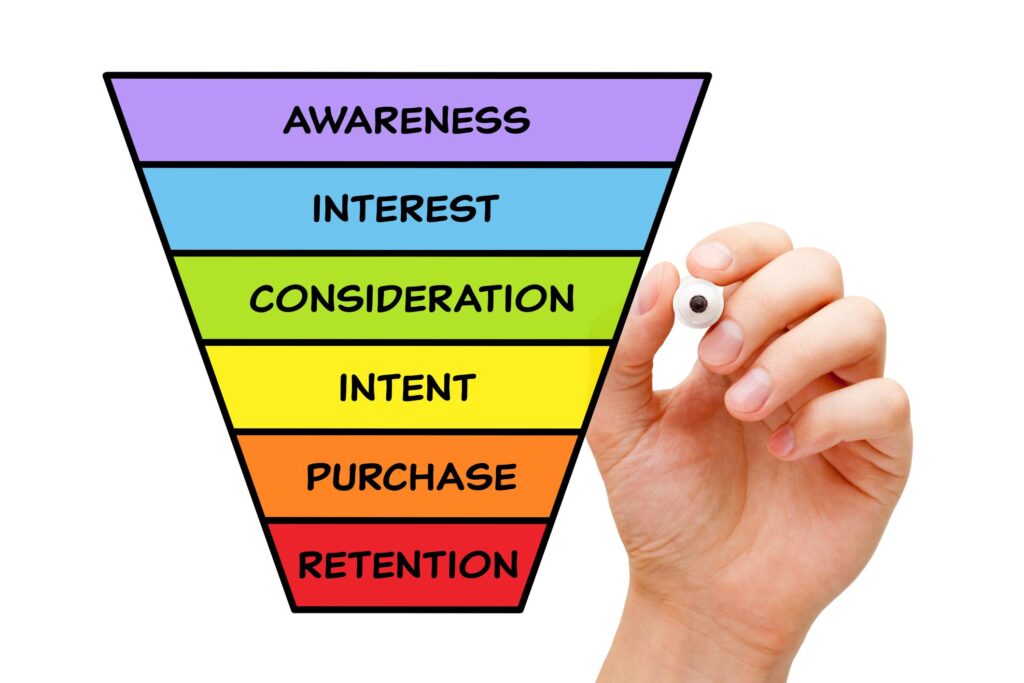
Once your offer is validated, the next step is creating a sales funnel that guides prospects through a structured buying journey.
A sales funnel transforms casual visitors into paying customers through a step-by-step engagement process:
- Awareness
- Engagement
- Trust-building
- Conversion
Without a funnel, marketing efforts become fragmented and inconsistent. Content may generate traffic but fail to produce revenue. A well-designed funnel typically includes several digital components:
- Blog content that attracts search traffic
- Lead magnets that capture email subscribers
- Email marketing sequences that nurture relationships
- Educational webinars that build authority
- Consultation calls that convert leads into clients
Each stage of the funnel moves potential customers closer to making a purchase decision.
When properly implemented, funnels create predictable customer journeys and allow businesses to monetize your business model consistently rather than relying on sporadic sales.
Sales Funnel 101: The Complete Beginner’s Guide: This guide explains how a sales funnel works and how it turns website visitors into paying customers through a structured buying journey.
Step 4: Implement Automation Systems
Automation is essential for scalability. As your audience grows, manual processes quickly become inefficient and limit your ability to expand.
Implementing digital systems allows your business to operate smoothly while reducing operational workload. Key automation tools include:
- Online booking platforms
- Payment gateways
- Customer relationship management (CRM) software
- Email marketing automation
- Digital product delivery platforms
For example, an automated email sequence can nurture leads over several weeks, educating them about your offer and building trust without requiring daily manual interaction.
Similarly, automated payment processing ensures transactions are smooth and secure. Automation not only saves time but also improves customer experience and operational consistency.
Businesses that automate key systems position themselves for long-term growth while maintaining strong profit margins.
Step 5: Leverage Data and Analytics
One of the most powerful advantages of digital business models is measurability. Every interaction, click, and conversion can be tracked and analyzed.
This data allows entrepreneurs to make strategic decisions rather than relying on intuition alone. Key performance metrics to monitor include:
- Conversion rates
- Website traffic sources
- Email open and click-through rates
- Cost per lead
- Customer acquisition cost
For example, if a landing page has high traffic but low conversions, the issue may lie in messaging, pricing, or offer clarity. Data helps identify exactly where improvements are needed.
Continuous analysis allows businesses to refine their strategies over time and steadily improve profitability. When entrepreneurs adopt a data-driven mindset, they can monetize your business more efficiently by optimizing every stage of the customer journey.
Step 6: Diversify Revenue Streams Strategically
Once your primary revenue engine is functioning reliably, diversification can help strengthen financial stability. However, diversification should follow stability, not replace it. Strategic revenue expansion may include:
- Upsells and premium upgrades
- Retainer-based services
- Affiliate partnerships
- Subscription models
- Licensing opportunities
For instance, a consultant who offers strategy sessions may later develop an online course or membership program that complements their core service. This layered approach allows businesses to increase customer lifetime value while reducing reliance on a single revenue stream. Diversification also creates resilience during market shifts and economic changes.
Common Monetization Mistakes
Despite the opportunities available online, many entrepreneurs struggle with monetization due to avoidable strategic errors. Some of the most common issues include:
- Underpricing services or products
- Lack of a structured sales funnel
- Not building an email list
- Inconsistent brand messaging
- Ignoring performance data
- Relying entirely on manual processes
These mistakes often result in unpredictable income and inefficient marketing efforts.
The solution is structured digital planning that integrates offers, marketing funnels, automation, and analytics into one cohesive system. When these components align, businesses can create reliable and scalable revenue models.
The Complete Guide to Sales Funnel Marketing: A detailed article covering funnel strategy, audience targeting, and how structured marketing funnels increase conversions and revenue.
Conclusion
Online business growth does not happen by chance. It requires a deliberate strategy that connects your offer, marketing systems, automation, and data analysis into a unified framework.
Entrepreneurs who build these systems create predictable income streams rather than relying on occasional sales spikes.
When the right infrastructure is in place, it becomes significantly easier to monetize your business and scale with confidence.
Digital monetization is not just about selling products online — it is about building a sustainable ecosystem that consistently converts attention into revenue.
Ready to create a predictable online revenue system? Develop a customized growth roadmap with our Business Plan + Digital Strategy services and start building a scalable framework designed to monetize your business effectively.
Explore our blog for more insights and helpful information.
Click here to learn more about our Business Development Consulting services.
Have questions or feedback? Visit our Contact page (click here) — we’d love to hear from you.
Comments are closed