
Social media has become one of the most powerful tools for building a recognizable and trusted brand. In today’s digital landscape, businesses that effectively use social media can connect directly with their audience, build credibility, and grow their visibility faster than ever before. However, simply posting content is not enough. Successful brands understand that social media requires a clear voice, a strong visual identity, and meaningful audience engagement.
Whether you are a startup, entrepreneur, or established company, building a brand on social media requires strategy and consistency. This guide will walk you through the essential steps to create a strong brand presence that attracts followers, builds trust, and drives business growth.
Why Social Media Is Essential for Brand Building
Modern consumers spend a significant amount of time on social platforms such as Instagram, LinkedIn, TikTok, Facebook, and YouTube. Because of this, social media has become one of the primary ways people discover new brands and interact with businesses.
A well-developed social media presence offers several advantages:
- Increased brand visibility
- Direct communication with customers
- Opportunities to showcase expertise
- Improved trust and credibility
- Stronger customer relationships
Unlike traditional advertising, social media allows brands to create ongoing conversations with their audience. This continuous engagement helps businesses stay top-of-mind and build long-term loyalty.
However, to achieve these results, brands must develop a clear identity and communicate it consistently across all platforms.
Social Media Marketing: The Ultimate Guide: This comprehensive guide explains how businesses can create a social media strategy, engage audiences, and turn followers into loyal customers. It also highlights the importance of tracking metrics like reach, engagement, and conversions to improve performance.
Step 1: Define Your Brand Voice

Your brand voice is the personality and tone your business uses when communicating with your audience. It shapes how people perceive your company and helps differentiate your brand from competitors.
A strong brand voice should be:
- Consistent
- Authentic
- Aligned with your audience
- Reflective of your company values
For example, a professional consulting firm might use a confident and educational tone, while a lifestyle brand may adopt a more casual and inspirational voice.
To define your brand voice, ask yourself:
- What values does my brand represent?
- How do I want customers to feel when interacting with my content?
- Should my tone be formal, friendly, motivational, or educational?
Once your voice is defined, apply it consistently across captions, posts, comments, and messages. Consistency helps audiences recognize and remember your brand more easily.
Step 2: Create a Strong Visual Identity
Visual identity plays a major role in how people recognize your brand online. Social media platforms are highly visual environments, so a consistent aesthetic can make your content instantly recognizable.

Your visual identity typically includes:
- Brand colors
- Typography
- Logo placement
- Image style
- Graphic templates
For example, many successful brands use a consistent color palette and layout for their posts. This approach ensures that even when users scroll quickly through their feed, they can still recognize the brand. To build a strong visual identity, consider creating a simple brand style guide that outlines:
- Primary and secondary colors
- Font styles
- Image editing style
- Design templates for posts and stories
Consistency across your visuals reinforces professionalism and strengthens brand recognition.
Step 3: Know Your Target Audience
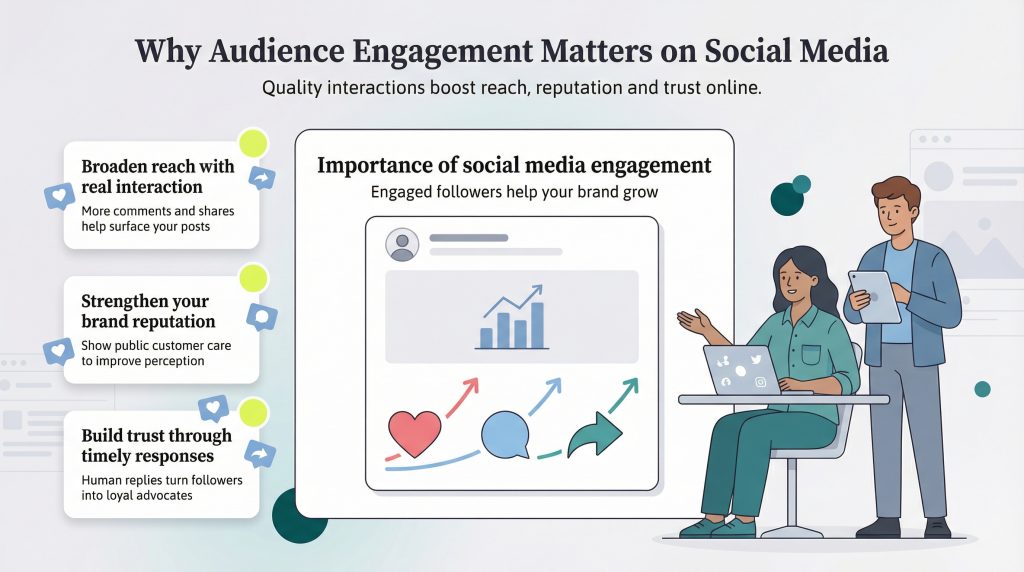
Understanding your audience is essential when building a brand online. Not every social media platform attracts the same users, and not every message resonates with every demographic. Start by identifying key audience characteristics such as:
- Age range
- Interests
- Professional background
- Pain points or challenges
- Preferred platforms
For example, LinkedIn audiences typically expect professional insights and industry knowledge, while TikTok audiences may prefer quick, entertaining, or educational videos. When you tailor your content to your audience’s needs and interests, engagement naturally increases.
Remember, the goal of social media is not just to broadcast messages but to create conversations that matter to your audience.
Step 4: Create Valuable Content
Content is the foundation of every successful social media strategy. Brands that consistently provide useful, informative, or entertaining content are more likely to attract loyal followers. Effective content types include:
- Educational tips and guides
- Industry insights
- Behind-the-scenes content
- Customer success stories
- Short-form videos
- Infographics
- Interactive posts such as polls and questions
High-value content positions your brand as an authority in your industry and encourages users to return to your page for more insights.
A simple rule to follow is the 80/20 principle: 80% of your content should provide value, while only 20% should directly promote your products or services.
This approach builds trust and prevents your audience from feeling overwhelmed by promotional messages.
Step 5: Engage With Your Audience
One of the greatest advantages of social media is the ability to interact directly with your audience. Unlike traditional advertising, social platforms allow businesses to build relationships through real-time engagement. Ways to strengthen audience connection include:
- Responding to comments and messages
- Asking questions in posts
- Hosting live sessions or Q&A events
- Encouraging user-generated content
- Participating in conversations within your niche
Engagement signals to platform algorithms that your content is valuable, which can help increase reach and visibility.
More importantly, consistent interaction helps humanize your brand and build stronger emotional connections with your audience.
Step 6: Maintain Consistency
Consistency is one of the most important factors in building a recognizable brand online.
Many businesses fail to grow on social media because they post inconsistently or abandon their strategy after a short period. Successful brands maintain a consistent schedule for:
- Posting content
- Engaging with followers
- Sharing stories or updates
- Providing valuable insights
Creating a content calendar can help maintain consistency while ensuring your messaging aligns with business goals.
Regular posting keeps your brand visible and reinforces your identity in the minds of your audience.
Step 7: Monitor Performance and Adjust Strategy
Building a strong social media brand is an ongoing process that requires continuous improvement. Most platforms provide built-in analytics that allow businesses to track performance metrics such as:
- Engagement rate
- Reach and impressions
- Follower growth
- Click-through rates
Analyzing these metrics helps you understand which types of content resonate most with your audience. For example, if educational posts consistently generate higher engagement, you may want to create more content around that theme.
Data-driven insights allow you to refine your strategy and achieve better results over time.
Common Branding Mistakes on Social Media
Many businesses struggle with branding because they overlook important strategic elements. Common mistakes include:
- Inconsistent messaging
- Lack of visual branding
- Posting only promotional content
- Ignoring audience engagement
- Not understanding the target audience
Avoiding these mistakes can significantly improve your ability to build a recognizable and trusted brand online.
Your Complete Guide to Social Media Branding: This article covers actionable strategies for establishing a strong brand across platforms like Facebook, Instagram, and X. It emphasizes that successful social media branding requires strategic planning, creativity, and consistent audience engagement.
Conclusion
Building a successful brand online requires more than simply posting content. It involves developing a clear voice, maintaining a consistent visual identity, understanding your audience, and delivering valuable content regularly.
When these elements work together, businesses can create strong emotional connections with their audience and stand out in a crowded digital marketplace.
With a strategic approach, social media becomes more than just a marketing tool—it becomes a powerful platform for brand growth, customer engagement, and long-term business success.
Businesses that invest time in building a clear identity and engaging community on social media will be better positioned to grow their influence and reach new audiences in an increasingly digital world.
Explore our blog for more insights and helpful information.
Click here to learn more about our Business Development Consulting services.
Have questions or feedback? Visit our Contact page (click here) — we’d love to hear from you.
Comments are closed